
In the operation system of intelligent waterborne equipment such as unmanned ships and unmanned boats, the leak detection sensors are the core supporting sensing components that ensure the safe and stable operation of the equipment. As the “safety sentinel” of the unmanned ship’s hull, they can monitor the potential leakage hazards in the ship’s compartments and the core module cavities in real time, achieving precise perception and rapid warning of leakage abnormalities, and preventing the short-circuit damage of core components such as navigation, flow measurement, and communication due to water ingress. This helps to build a device safety barrier for unmanned ships to conduct long-term operations in complex waters.
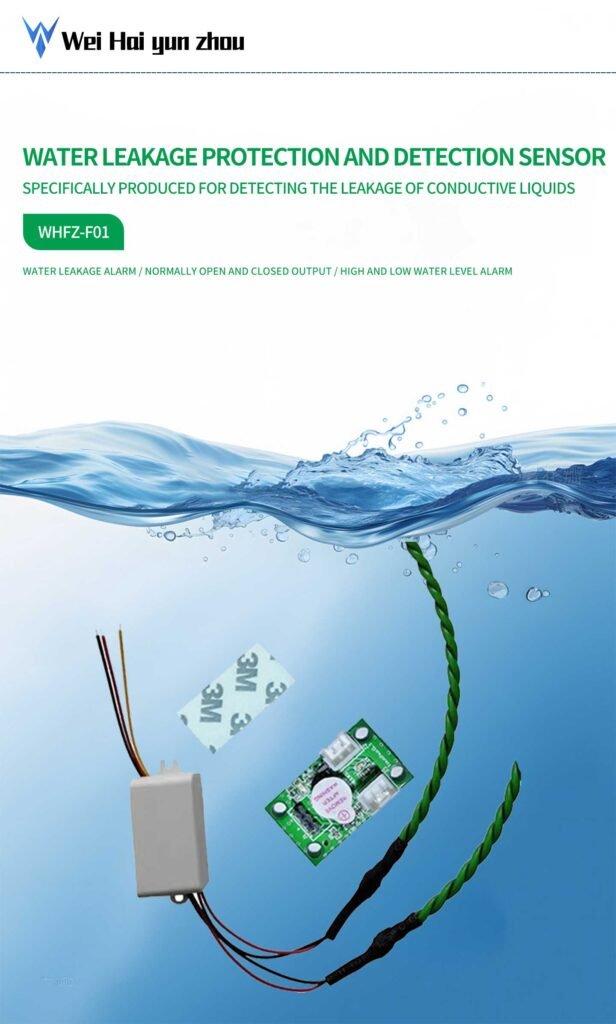
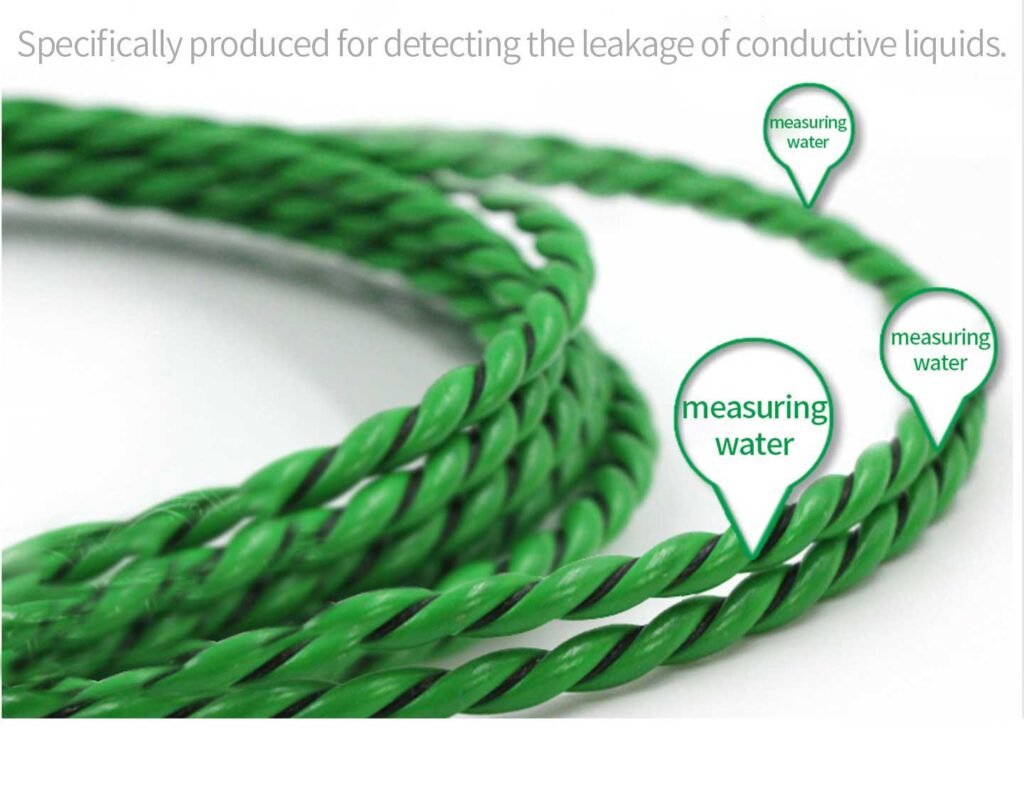
The water leakage sensor is specially designed for the water operation environment of unmanned vessels. It features high sensitivity, strong protection, and strong adaptability, perfectly meeting the compact installation space and harsh working conditions of unmanned vessels. In terms of detection principle, the mainstream unmanned vessel water leakage sensors adopt electrode contact detection. The sensor probe is equipped with conductive electrodes. When the vessel body experiences water ingress due to collision, wear, or aging of the seal, water comes into contact with the electrodes to form a conductive circuit. The sensor quickly captures the changes in electrical signals and converts them into switch quantities / analog quantities. Some high-precision models also incorporate photoelectric detection, utilizing the differences in light refraction and reflection between water and air to achieve non-contact water leakage monitoring. This avoids the impact of electrode corrosion on detection accuracy and is suitable for unmanned vessels operating in complex waters with high salinity and high sediment content for a long time.
In terms of sensing performance, the sensor can detect even trace amounts of water leakage, with a response time as low as the millisecond level. It can promptly trigger an alarm at the initial stage of water ingress, providing sufficient time for the equipment to return or for manual handling. At the same time, it has a design to prevent false alarms, effectively avoiding false alarms caused by condensation water or fog inside the cabin, ensuring the accuracy of the monitoring data.
In terms of protection and installation, the protection level of water leakage sensors generally reaches IP68, allowing them to work completely submerged in water for a long time. They are resistant to corrosion, vibration, and temperature variations, and can adapt to the ship’s pitching and temperature changes in the water area during unmanned ship operations. They are suitable for different water quality environments such as freshwater and seawater. The sensors are small in size and have flexible installation methods, supporting various installation forms such as pasting, snap fastening, and screw fixation. They can be precisely deployed in key areas prone to water leakage on unmanned ships, such as battery compartments, flow measurement module cavities, communication compartments, and ship body joint gaps. They can also be installed in a distributed manner with multiple probes according to the model and layout requirements of the unmanned ship, achieving full-area coverage monitoring of water leakage hazards.
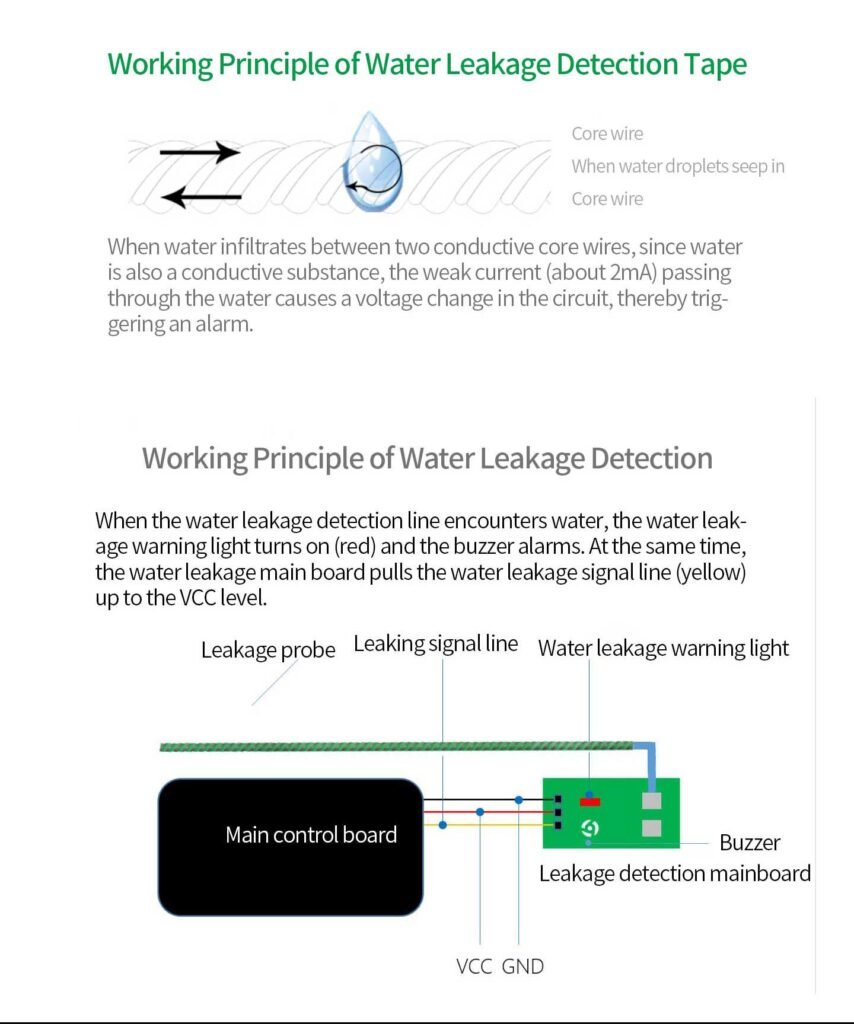
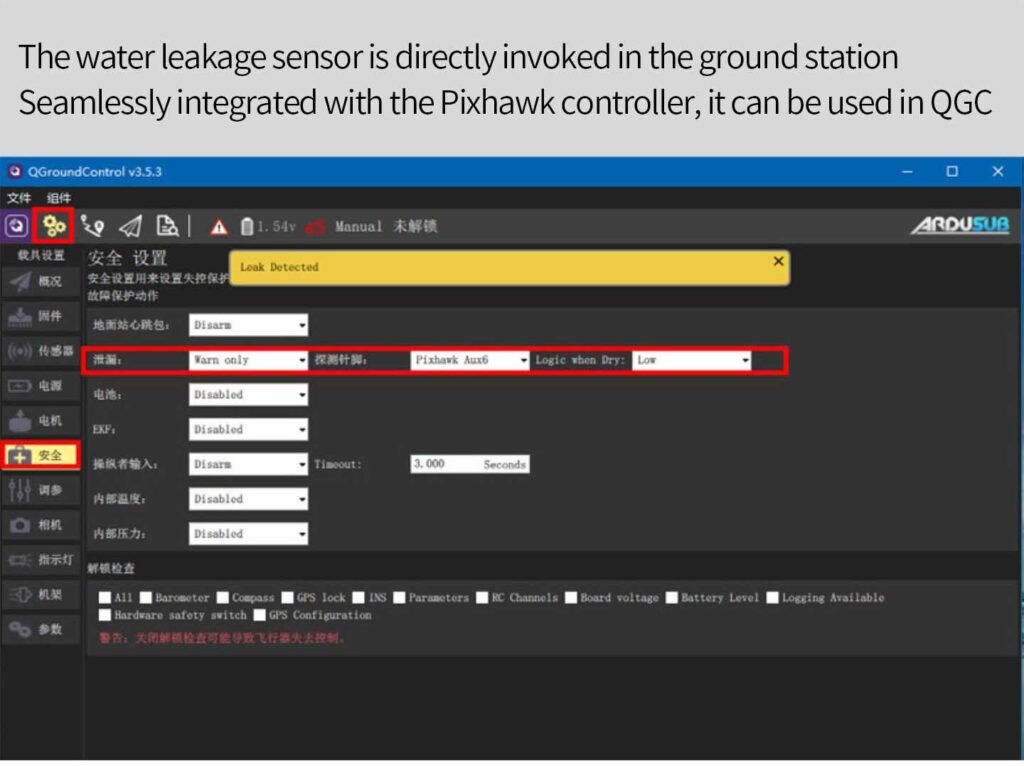
In terms of signal transmission and early warning linkage, the leakage sensor can seamlessly connect with the main control system of the unmanned vessel, supporting mainstream communication protocols such as 485, RS232, and CAN bus. The monitoring signals are transmitted in real time to the shore-based control terminal and the local main control module of the unmanned vessel, achieving dual early warnings: locally, the sound and light alarm in the unmanned vessel’s cabin is triggered simultaneously. If the unmanned vessel is in autonomous operation mode, the main control system will automatically start emergency procedures, suspend the operation task, plan the optimal return route, and precisely dock at the recovery point; at the shore-based end, the control terminal displays the leakage alarm information and the sensor installation location, allowing staff to remotely monitor the water ingress situation and take timely manual intervention measures. In some high-end supporting solutions, the leakage sensor can also be linked with the waterproof sealing valve and the water pump of the unmanned vessel to achieve integrated handling of “inspection – early warning – drainage”, further reducing the risk of water ingress damage.
As a key component of the safety guarantee system for unmanned ship equipment, the application scenarios of the leakage sensor cover all types of intelligent equipment in water areas: On the Doppler flow measurement unmanned ship, it is deployed in the flow measurement module compartment and the ADCP instrument chamber to prevent water ingress from damaging the flow measurement sensor and the data acquisition module, ensuring the continuity of flow velocity and flow measurement; On the surface reconnaissance unmanned boat, it is installed in the photoelectric hanger and the battery compartment to prevent water ingress due to the high-speed cruise of the hull colliding with obstacles, damaging the core components of reconnaissance cameras and infrared thermal imaging; On the water quality monitoring unmanned ship, it is adapted to the water quality sensor compartment and the sampling module compartment to prevent water leakage from affecting the accuracy of water quality detection and the standardization of sample collection. At the same time, the leakage sensor can also be linked with the low battery warning and fault self-diagnosis functions of the unmanned ship to build a comprehensive equipment safety warning system, significantly reducing the equipment failure rate and maintenance costs of the unmanned ship, and improving the operational endurance and service life of the equipment.
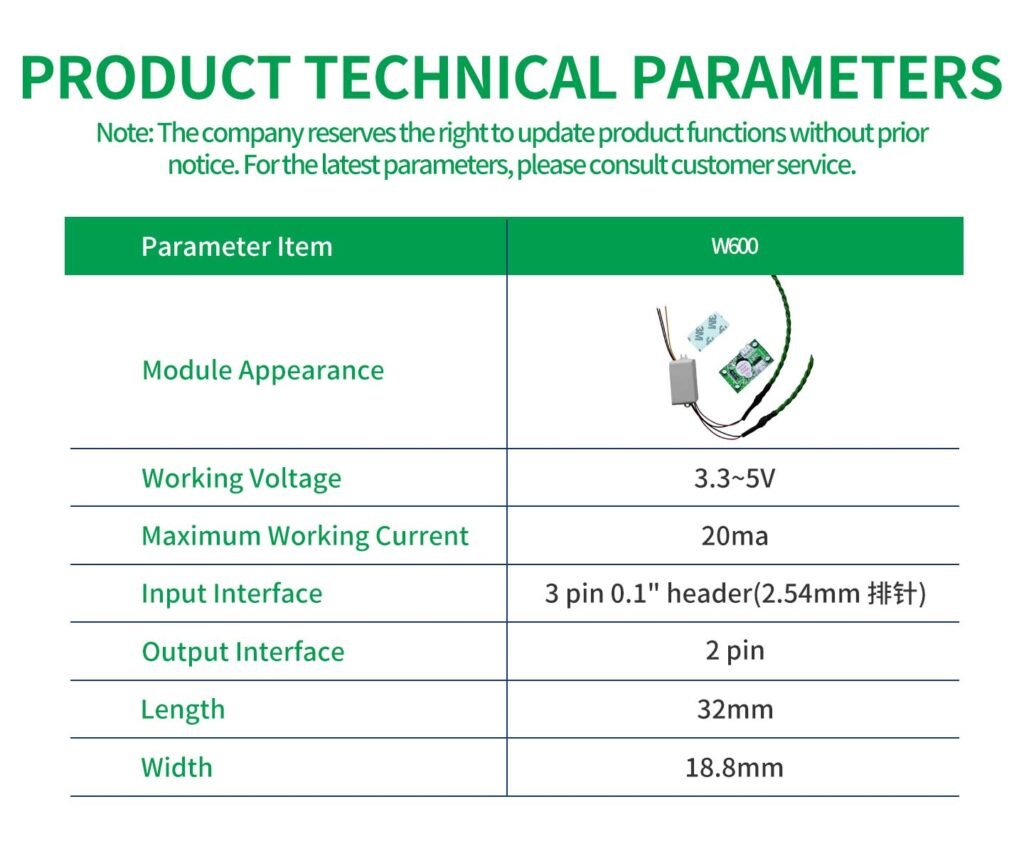
At present, specialized leak sensors for unmanned water vessels have formed a standardized and series-based product system. They can be flexibly selected according to the operational requirements of unmanned vessels: the basic model meets the leak monitoring and basic warning for conventional freshwater water vessels, with high cost-effectiveness; the industrial-grade model is suitable for unmanned vessels operating in seawater and highly corrosive waters, featuring stronger corrosion resistance and stability; the integrated model can be combined with temperature, humidity, vibration, smoke, etc. sensors to achieve multi-parameter environmental monitoring, providing a one-stop on-board environmental safety perception solution for unmanned vessels.
As intelligent waterborne equipment continues to develop towards larger size, more refined operation, and longer-term operations, leak sensors are also undergoing continuous iterative upgrades, moving towards higher sensitivity, lower power consumption, and wireless transmission. Some new models are equipped with Bluetooth and Lora wireless communication modules, enabling data transmission without wiring, further simplifying the internal wiring design of unmanned vessels. At the same time, combined with AI algorithms, they can achieve trend analysis and prediction of leakage hazards, providing data basis for equipment maintenance and seal component replacement of unmanned vessels, upgrading from “passive warning” to “active protection”, and continuously providing reliable perception support for the safety and efficient operation of various types of waterborne unmanned equipment.