
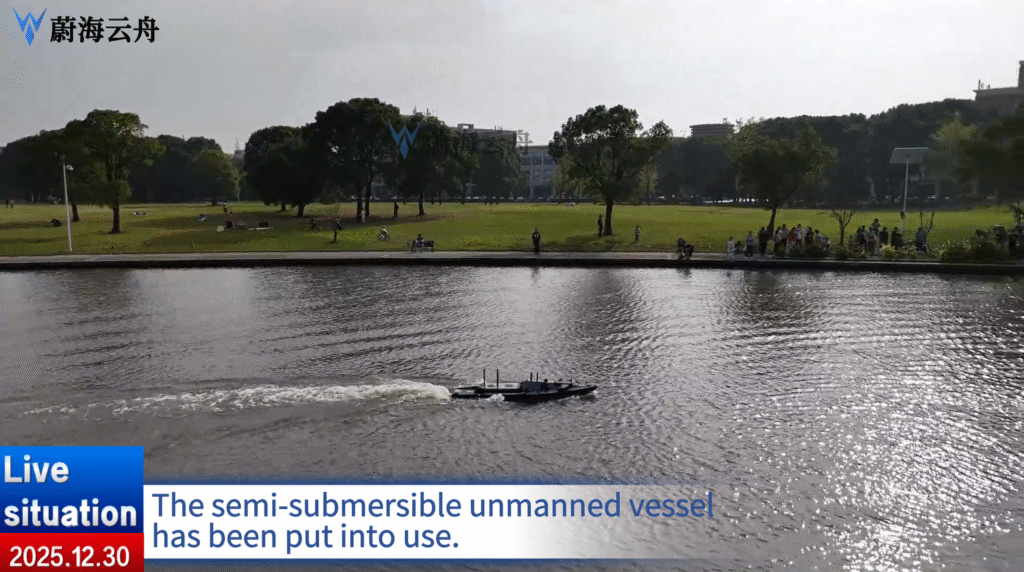
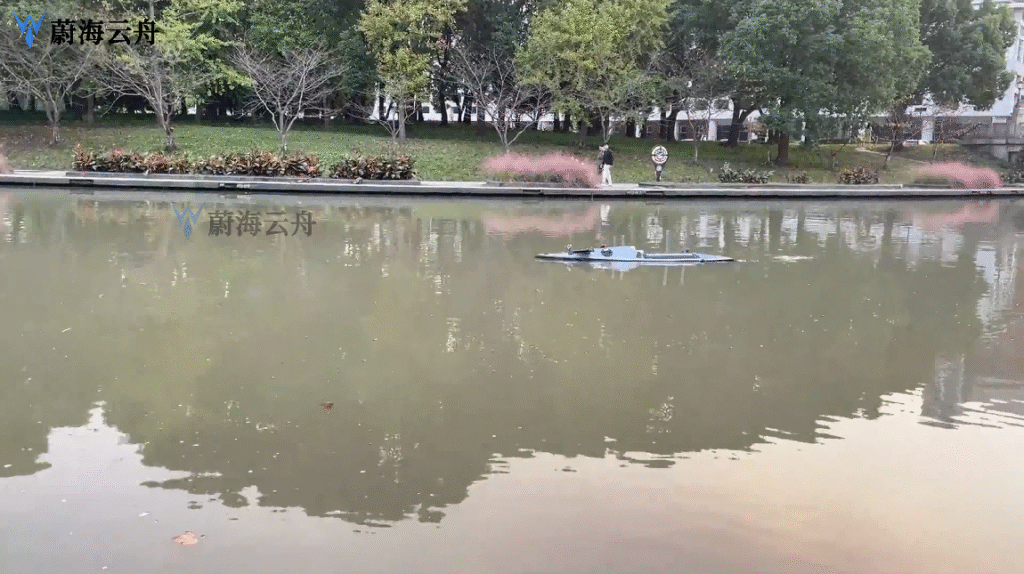
Recently, an intelligent unmanned vessel with autonomous semi-submerged navigation capabilities has been officially deployed for operational tasks in the ocean. It has frequently demonstrated its capabilities in critical tasks such as marine area monitoring, underwater exploration, and security patrols. With its unique features, it has shone brightly. Compared to traditional surface unmanned vessels, this semi-submerged unmanned vessel, with its core advantages of “strong concealment, excellent resistance to wind and waves, and suitability for complex sea areas”, has become a “new elite soldier” in the field of marine operations. It has provided more efficient and reliable new solutions for marine resource development and sea area security management.
Core Advantage: Semi-submersible technology unlocks new possibilities for marine operations
The reason why semi-submersible unmanned vessels can “emerge” in marine operations is fundamentally due to their ability to flexibly switch between “surface navigation” and “semi-submersible navigation” modes. With three core technological advantages, they precisely solve many of the problems in traditional marine operations, enabling a qualitative leap in operational efficiency:
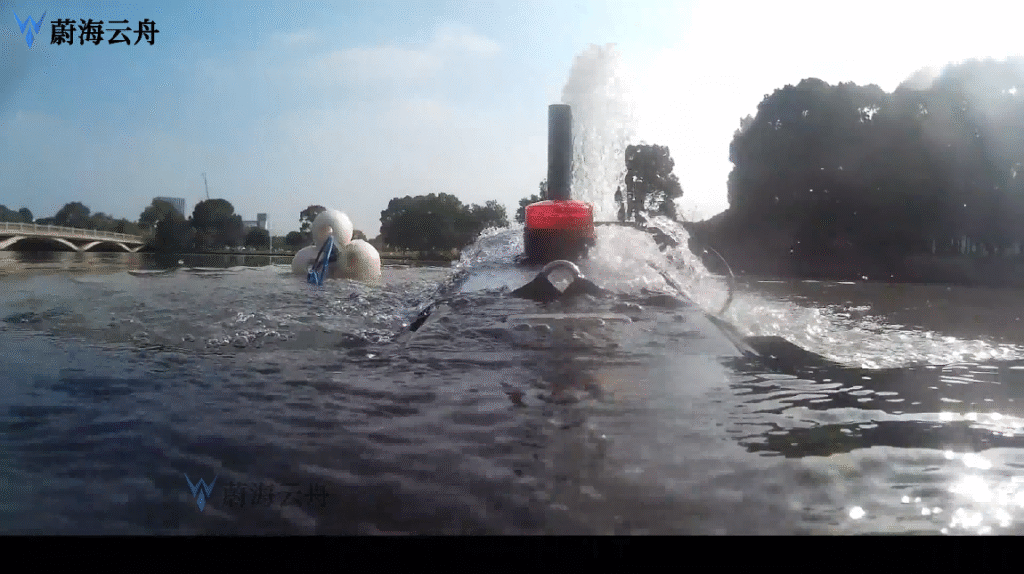
Firstly, its concealment is top-notch, making it impossible for enemies to detect. In semi-submerged mode, the main body of the ship dives underwater, with only the communication antennas, sensors and other key components exposed above the water surface. This significantly reduces the radar reflection area and visual recognizability. In tasks such as maritime security and secret exploration, it can quietly approach the target area, completely avoiding interference throughout the process, and accurately complete data collection and target locking, providing a solid guarantee for the secrecy and safety of the mission.
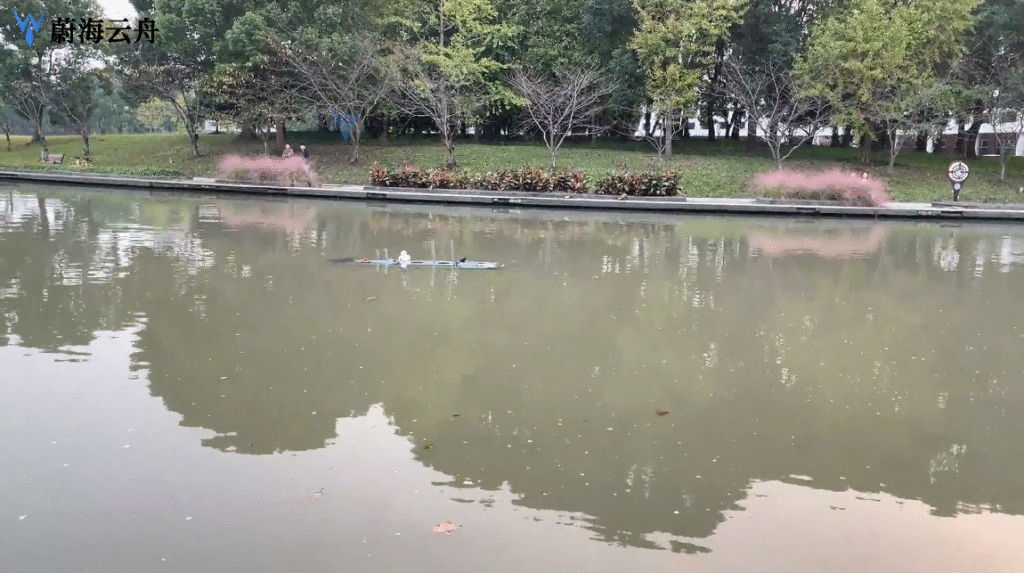
Secondly, it has outstanding anti-wind and wave resistance, remaining stable in harsh environments. The semi-submersible design causes the ship’s center of gravity to significantly shift downward, enabling it to remain rock-solid even in 6-7 level sea conditions. Compared to traditional surface unmanned vessels, its applicable range in the operational area has been significantly expanded. Whether it is subjected to heavy rain or strong winds, it can carry out tasks such as data collection and monitoring patrols normally, completely breaking through the operational environment limitations of traditional equipment.
Thirdly, its underwater perception capability is outstanding, ensuring precise detection operations. In semi-submerged mode, the onboard side-scan sonar, multi-beam depth sounder and other equipment can closely approach the water body, effectively reducing the interference of surface waves on the detection data, and significantly improving the accuracy of underwater topographic mapping and target detection. At the same time, it can carry underwater sampling equipment to directly complete the collection of water samples and sediment samples, without the need for additional deployment of diving equipment, making underwater operations more convenient and efficient.
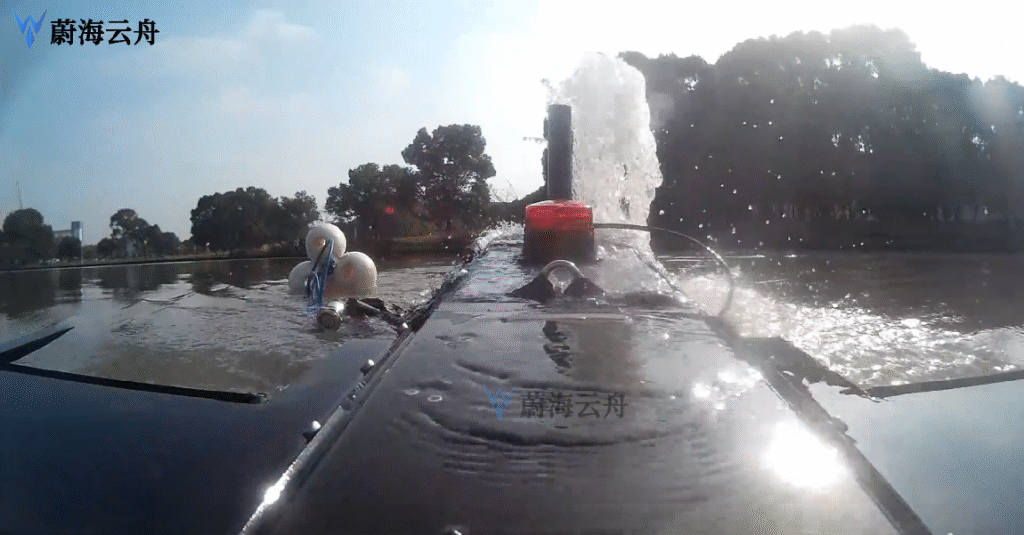
In addition, this unmanned boat is equipped with GPS + Beidou dual-mode navigation and 5G + satellite dual-mode communication systems. Even in areas with weak signals in the open sea, it can achieve precise positioning and real-time data transmission, ensuring full control throughout the operation process.
Putting Skills to the Test: Unlocking Application Value in Multiple Scenarios
Since its commissioning, this semi-submersible unmanned vessel has performed precisely and effectively in various marine operation scenarios, fully demonstrating its diverse application value and becoming a “valuable assistant” for frontline operations:
Scene One: Marine Security and Rights Protection Patrol
During the patrol mission in the exclusive economic zone off the coast, the semi-submersible unmanned vessel conducts regular patrols in a semi-submerged state, accurately detecting traces of illegal fishing, illegal navigation, and other violations. With its exceptional concealment capabilities, it can obtain key evidence such as images and positioning of the illegal targets at close range, providing “ironclad evidence” support for the subsequent handling by the law enforcement department. In a special rights protection operation, this unmanned vessel conducted covert patrols and precise reconnaissance for three consecutive days, successfully locating two illegal fishing vessels that had crossed the border, providing crucial guidance for the precise deployment and efficient law enforcement by the law enforcement vessels.
Scene Two: Underwater Topography and Resource Exploration
In an underwater resource exploration mission in a remote sea area, a semi-submersible unmanned vessel was equipped with a high-resolution side-scan sonar and efficiently completed a full coverage exploration of 20 square kilometers of sea area in a semi-submerged state. Through the clear underwater acoustic images transmitted in real time, the distribution area of the multi-metal nodules on the seabed was accurately delineated, and the water depth and terrain mapping of this area were simultaneously completed, providing high-precision data support for the subsequent resource development assessment. Compared with traditional research vessels, not only was the operation cost reduced by 70%, but the operation efficiency was also increased by more than three times, achieving a “cost reduction and efficiency improvement” dual breakthrough.
Scene Three: Marine Environment Monitoring and Emergency Response
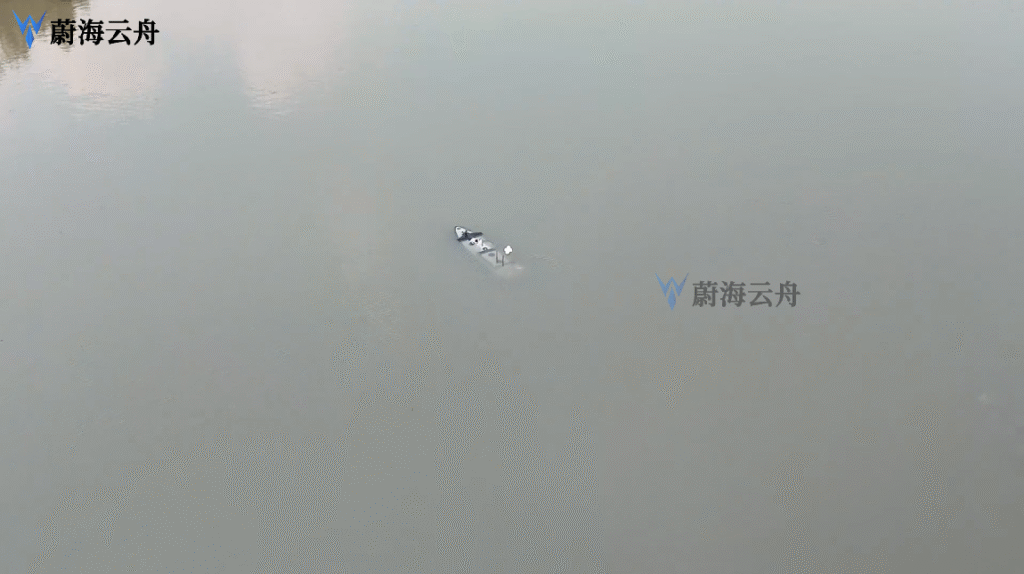
During the emergency response to an oil spill in a certain sea area, the semi-submersible unmanned vessel responded promptly and rushed to the scene. It approached the core area of the spill in a semi-submerged state. The onboard water quality sensors continuously and accurately monitored the concentration of petroleum substances in the water. At the same time, through sonar detection, it precisely located the position and extent of the leakage point. The data was simultaneously transmitted back to the emergency command center, providing real-time and reliable basis for the rapid formulation of the disposal plan. Due to the minimal impact of the semi-submerged state on the sea surface oil pollution, the accuracy and reliability of the monitoring data far exceeded that of traditional surface monitoring equipment, becoming the “key leverage” for emergency response.
Scene Four: Underwater Engineering Inspection
For key engineering facilities such as underwater foundations and submarine pipelines of offshore wind power platforms, semi-submersible unmanned vessels can conduct regular and precise inspections. Through underwater cameras and sonar equipment, they can clearly capture the surface conditions of the engineering facilities and accurately identify minor hazards such as corrosion and damage. In a certain offshore wind farm inspection task, it successfully detected 3 minor damages to the wind turbine foundations, promptly issued warnings and assisted in completing the repairs, effectively preventing the expansion of the hazards and avoiding major losses. This effectively built a “protective net” for the safe operation of the engineering facilities.
Industry significance: Promoting the transformation of marine operations towards “secretive intelligence”
The deployment of semi-submersible unmanned vessels not only expands the variety of marine operation equipment, but also accelerates the transformation of marine operation models from “open operation” to “secret and intelligent operation”. Their unique advantages in concealment, anti-wind-wave ability, and underwater perception accuracy precisely fill the application gap between traditional surface equipment and underwater equipment, providing safer and more efficient solutions for offshore operations, operations in dangerous scenarios, and covert mission operations. It has become the “core driving force” for the transformation and upgrading of marine operations.
In the future, with the deep integration of technologies such as artificial intelligence and new energy, semi-submersible unmanned vessels will be able to achieve more advanced functions such as multi-ship collaborative operations and autonomous decision-making for handling situations. This will further expand their application boundaries in fields such as marine defense, deep-sea exploration, and ecological protection. As the “secret elite” guarding the blue territory, semi-submersible unmanned vessels will surely continue to “show their prowess” in the construction of a maritime power and play an increasingly important strategic role.