
To break through the predicament of traditional water rescue, a new type of rescue equipment – the electric lifebuoy – has emerged. Its emergence is like a ray of dawn, bringing new hope and possibilities to water rescue.
In terms of appearance design, the electric lifebuoy fully takes into account the principles of ergonomics and fluid mechanics. The common electric lifebuoy is in a U shape. This unique design not only makes it convenient for drowning people to grasp but also effectively reduces water resistance, making the lifebuoy’s movement in water smoother. Its shell is usually made of high-strength and wear-resistant materials, such as engineering plastics or rubber, which have excellent waterproof, sun-proof and impact-resistant properties and can be used for a long time in harsh water environments.
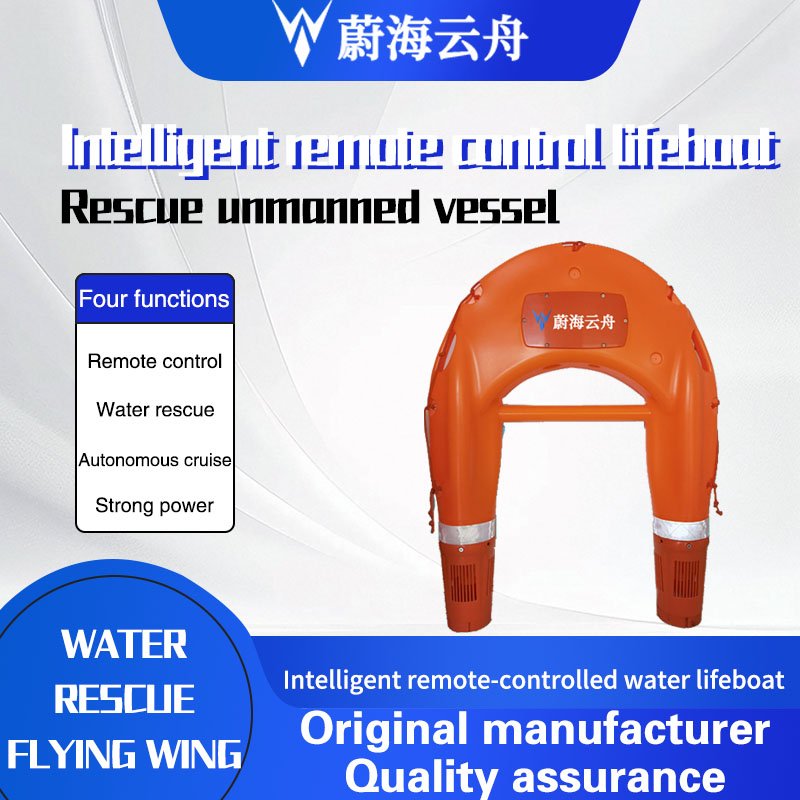
In terms of internal structure, the electric lifebuoy is equipped with an advanced power system. Generally speaking, it is equipped with high-performance motors inside, which can provide powerful force to drive the lifebuoy to move forward quickly in the water. The power source is a rechargeable lithium battery. Lithium batteries have the advantages of high energy density, light weight and fast charging speed, which can provide long-lasting and stable power support for lifebuoys. Some high-end electric lifebuoys are also equipped with an intelligent battery management system, which can monitor parameters such as battery power and temperature in real time, ensuring the safe use of the battery and extending its service life.
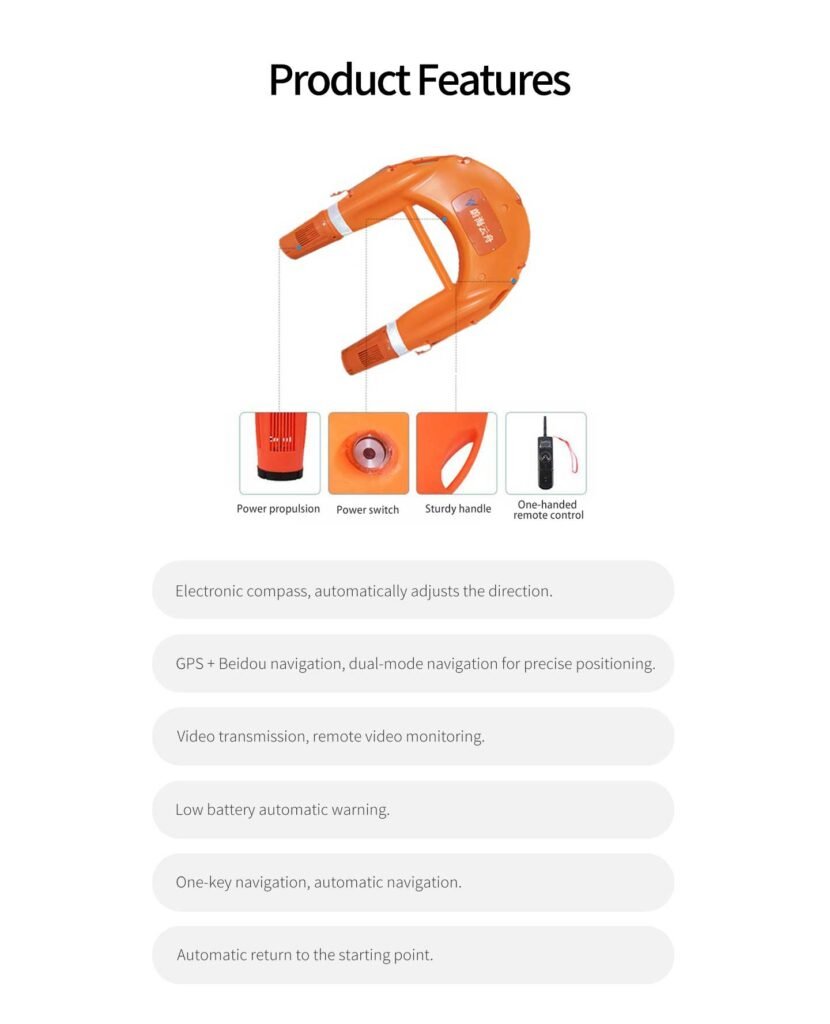
In addition to the power system, the electric lifebuoy also integrates a variety of advanced technologies. It is equipped with a high-precision GPS positioning system, which can accurately locate the position of the lifebuoy in real time and provide precise rescue information for rescue personnel. Some electric lifebuoys are also equipped with remote control functions. Rescue workers can control the direction and speed of the lifebuoy from a distance through a remote control to achieve precise rescue of the drowning person. Some electric lifebuoys also have an automatic return function. After the rescue mission is completed, just press the return button on the remote control, and the lifebuoy will automatically return to the starting position along the preset route, greatly improving the rescue efficiency.
In terms of speed, the electric lifebuoy has demonstrated astonishing strength. Generally speaking, its top speed can reach about 15 kilometers per hour, which is several times that of an outstanding swimmer. In actual rescue scenarios, time is life. The high speed of electric lifebuoys enables them to quickly reach the location of the drowning person within a short period of time. Take the common inland river rescue as an example. Suppose the person who has fallen into the water is 200 meters away from the shore. If the traditional rescue method relies on manual swimming to reach the rescue, even professional lifeguards may take several minutes to arrive due to the influence of factors such as water flow and physical strength. The electric lifebuoy, with its fast traveling speed, can reach the drowning person in just a few dozen seconds, thus buying precious time for rescue.
Battery life is also a major highlight of electric lifebuoys. Currently, the range of electric lifebuoys available on the market is generally around 6 kilometers. This means that when fully charged, it can carry out long-term rescue work in vast waters. In rescue operations in some large lakes or nearshore areas, a 6-kilometer range is sufficient to cover a large rescue area and can meet the needs of most rescue missions. Moreover, with the continuous development and innovation of battery technology, the endurance of electric lifebuoys is expected to be further enhanced in the future, providing stronger support for water rescue.
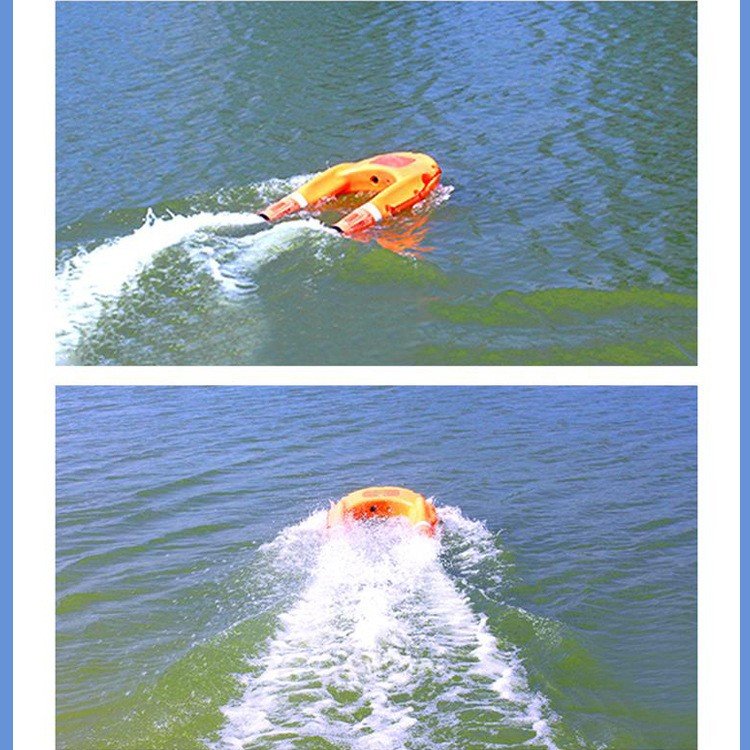
Compared with traditional rescue equipment, the power performance advantages of electric lifebuoys are more obvious. Traditional lifebuoys have no power of their own and rely entirely on the water flow and the thrower’s strength to approach the person who has fallen into the water. Their movement speed and direction are both difficult to control. Although lifeboats are powered, due to their large size and heavy weight, they start and accelerate relatively slowly. In narrow waters or situations where rapid response is required, it is difficult for them to perform at their best. The electric lifebuoy is compact in size and powerful in performance. It can move flexibly in various complex water environments and reach the rescue site quickly and accurately, greatly improving the rescue efficiency.
One of the significant advantages of the electric lifebuoy lies in its powerful remote control function. Rescue workers only need to hold the remote control to precisely control the lifebuoy from a distance. This remote control operation method enables rescue workers to quickly deliver lifebuoys to the drowning person without having to go into the water themselves, significantly reducing the safety risks for rescue workers.
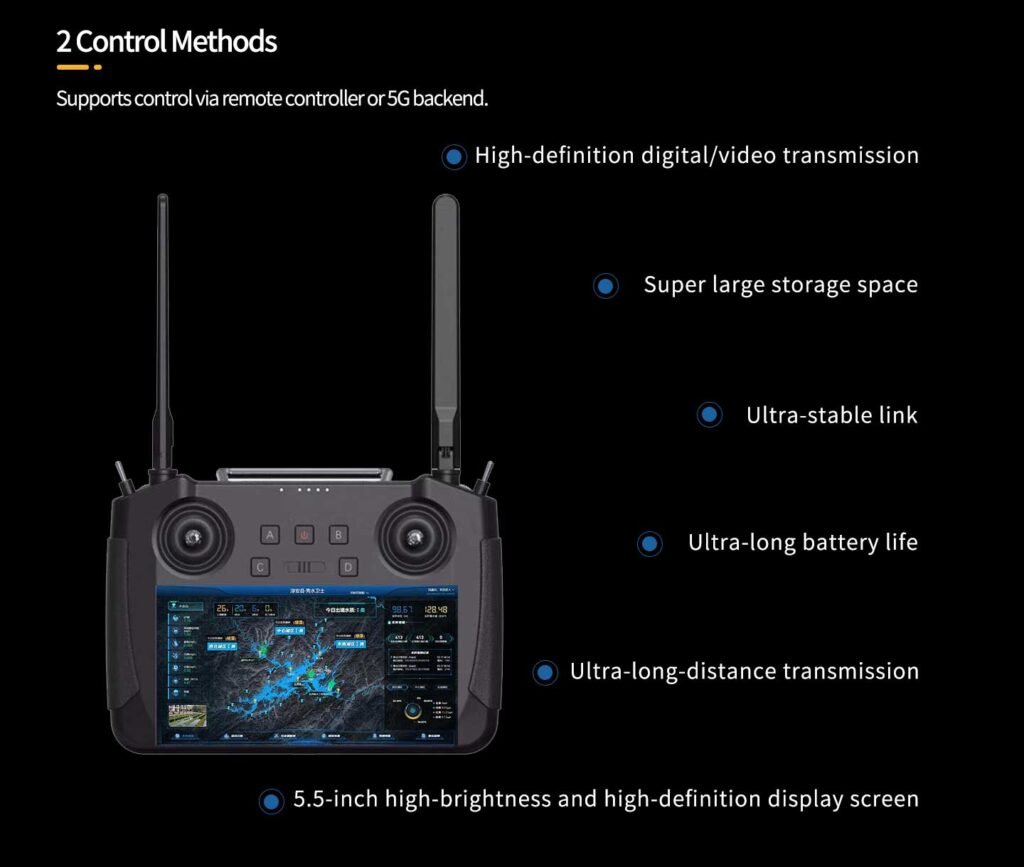
In some complex rescue scenarios, the advantages of remote control functions are more obvious. In narrow rivers, rescue vessels find it difficult to approach those who have fallen into the water. However, electric lifebuoys, with their compact size and flexible remote control operation, can easily move between rivers and quickly reach the rescue site. In maritime rescue operations, when faced with surging waves and adverse weather conditions, if rescue workers personally enter the water for rescue, they are easily affected by the waves and bad weather. However, by using remote-controlled electric lifebuoys, they can carry out rescue operations from relatively safe positions, thereby increasing the success rate of rescue operations.
In addition to the remote control function, the electric lifebuoy also features a series of intelligent characteristics, further enhancing its rescue capabilities. It is equipped with an automatic return function. After the rescue mission is completed, the rescue personnel only need to press the return button on the remote control, and the lifebuoy will automatically return to the starting position along the preset route. This function not only saves the time and energy of rescue personnel in manually retrieving lifebuoys, but also ensures the safety of lifebuoys during the return process, preventing them from being lost or damaged due to human operational errors.
Some electric lifebuoys also have an automatic return function in case of loss of contact. When the signal between the lifebuoy and the remote control is interrupted, the lifebuoy will automatically start the return procedure and return to the preset safe position. This function is particularly important in complex environments where signals are prone to interference, effectively ensuring the safe recovery of lifebuoys and providing strong support for subsequent rescue operations.

As people’s attention to water safety keeps increasing, the market demand for electric lifebuoys will also continue to grow. In the future, electric lifebuoys are expected to become standard rescue equipment in various water sports venues, playing a greater role in safeguarding people’s lives and safety. We have every reason to expect that, driven by continuous technological advancement, electric lifebuoys will shine even more brightly in the field of water rescue and build a more solid defense line for safeguarding life safety.